Bathroom Renovation in London: Wet Rooms, Waterproofing and Electrical Safety Zones
By the Golbik GBS team · Blog
A bathroom is a small room with a lot going on behind the walls: water, waste, electrics and ventilation all have to be right before the first tile goes on. This guide covers the technical decisions that make a bathroom renovation in a London home last, from wet rooms and waterproofing to electrical safety zones and water pressure.
Key takeaways
- Good waterproofing behind the tiles matters more than the tiles themselves, especially in wet rooms.
- Bathrooms are divided into electrical zones; lights and fittings must have the right IP rating for each zone.
- Bathroom circuits need 30mA RCD protection under the wiring regulations.
- Building Regulations require mechanical extraction of at least 15 litres per second in bathrooms.
- Older London homes often have low water pressure, which affects the choice of shower and boiler.
Wet Room, Walk-In Shower or Shower Tray?
| Option | Pros | Things to consider |
|---|---|---|
| Shower tray | Simple, cost-effective, easy to replace | Visible step; tray must be well supported |
| Walk-in shower with low-profile tray | Modern look with less building work | Needs a good fall to the waste |
| Wet room | Level access, easy to clean, makes small rooms feel larger | Whole floor must be laid to a fall and fully waterproofed |
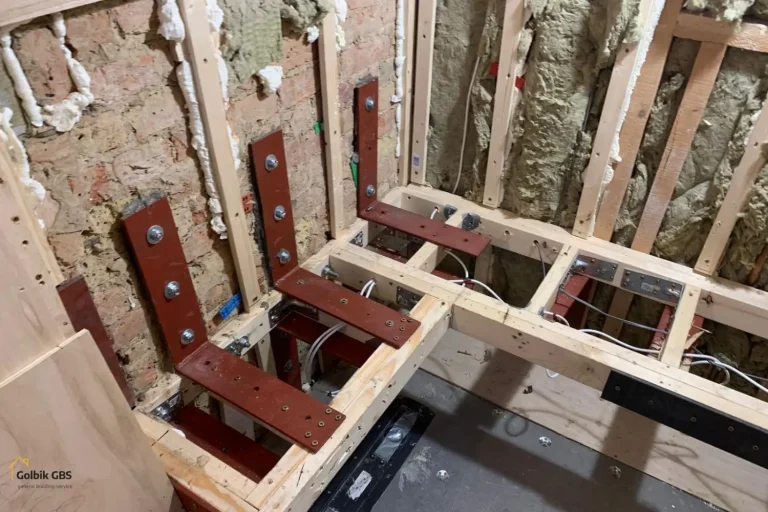
In many London flats and terraces, floors are timber joists, which move slightly. Wet rooms are still possible, but the floor needs to be stiffened and a purpose-made former or tray installed beneath the tiles.
Waterproofing: What Goes Behind the Tiles
- Tanking membrane: a liquid or sheet membrane applied to walls and floors in wet areas to stop water reaching the structure.
- Suitable boards: cement-based or waterproof boards rather than standard plasterboard around showers and baths.
- Sealed junctions: tape at corners, joints and around pipes and drains.
- Grout and silicone: good-quality materials that are maintained over time.
Poor waterproofing is the most common cause of leaks into ceilings below, so it is not the place to save money.
Electrical Safety Zones and IP Ratings
The wiring regulations divide bathrooms into zones based on how close a fitting is to water:
| Zone | Where it is | Typical minimum rating |
|---|---|---|
| Zone 0 | Inside the bath or shower tray | IPX7, extra-low voltage only |
| Zone 1 | Above the bath or shower, up to 2.25 m from the floor | IPX4 |
| Zone 2 | Around zone 1, within 0.6 m of the bath or shower | IPX4 |
| Outside the zones | The rest of the room | No specific IP rating, but RCD protection still applies |
All bathroom circuits must be protected by a 30mA RCD. Shaver sockets must be the dedicated, isolated type. Work in bathrooms should be carried out and certified by a registered electrician, as provided by our electrical services.
Ventilation
Building Regulations require mechanical extraction in bathrooms of at least 15 litres per second. A fan with an overrun timer or humidity sensor removes moisture after showering and protects paint, grout and ceilings from mould, a common problem in older London houses with small windows.
Water Pressure in Older London Homes
Many older properties have low water pressure, especially on upper floors or with old gravity-fed systems. Options include a mains-pressure unvented cylinder, a shower pump on a gravity system or a combi boiler where mains flow is good. Hard London water also means scale protection is worth considering. Our plumbing team can test pressure and flow before you choose a shower.
Bathrooms as Part of a Bigger Project
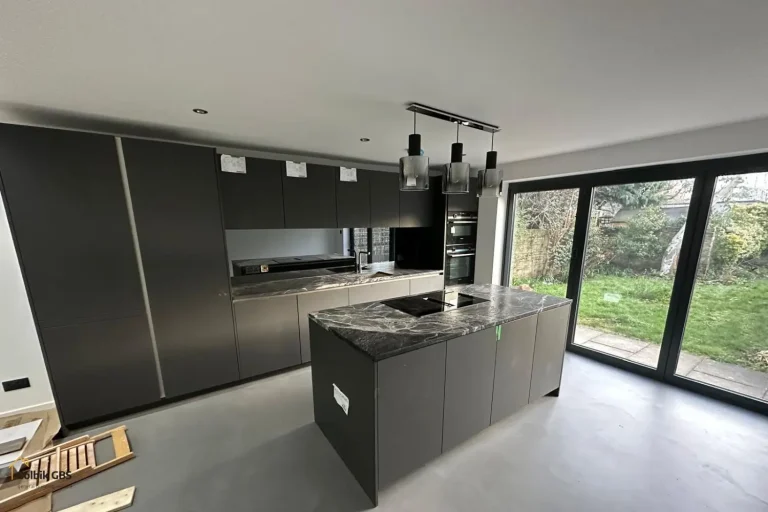
A new en-suite is a popular part of a loft conversion, and bathrooms are often renovated alongside a new kitchen or as part of a full refurbishment.
We renovate bathrooms throughout London, including Clapham, Fulham, Chelsea, Hammersmith, Dulwich and Mitcham.
Frequently Asked Questions
Is a wet room a good idea in a London flat?
It can be, provided the floor can be laid to a fall towards the drain and the whole room is fully waterproofed. In upper-floor flats, timber floors need careful preparation, and the lease may require the freeholder’s consent for changes to waste pipes.
What IP rating do bathroom lights need?
Fittings inside the bath or shower tray (zone 0) need at least IPX7. Fittings in zone 1, directly above the bath or shower up to 2.25 metres, and in zone 2 around it typically need at least IPX4. A registered electrician will confirm the correct rating for each position.
Do I need an extractor fan in my bathroom?
Yes, for a new or renovated bathroom. Building Regulations guidance sets a minimum intermittent extract rate of 15 litres per second. Fans linked to the light or a humidity sensor help prevent condensation and mould.
Can I add a bathroom in my loft?
Usually, yes. A loft bathroom needs a waste route to the soil stack, adequate water pressure on the top floor and enough head height over the shower and toilet. It is often planned as part of a loft conversion.
Planning a New Bathroom?
Golbik GBS renovates bathrooms, en-suites and wet rooms across London, handling plumbing, electrics, waterproofing, tiling and finishing. Find out more about our bathroom renovation service in London or get in touch to discuss your project.
Related Guides
- Full House Refurbishment in London: Stages, Permissions and Timeline
- Loft Conversion Types for London Homes
- Side-Return, Rear or Wraparound Extension?
- Planning a Kitchen Renovation in a London Home
- Does Your London Home Need Rewiring?
- Upgrading Heating and Plumbing in an Older London Home
- Party Wall Agreements in London: A Homeowner’s Guide
- Do You Need Planning Permission? Rules by London Borough
- Extending a 1930s Semi in Sutton, Wallington and Mitcham
- Consumer Unit (Fuse Box) Upgrades Explained
- Renovating a Victorian Terrace in South West London
- How to Choose a Builder in London